


-
 For Emergency Call
+91 11 4200 0000
-
 For Appointments Call
+91 11 4200 0000
-

Book
Appointment -
Instant
Consultation -

Post a
Query -

-

- Instant
- Menu
 Search
 Instant Search
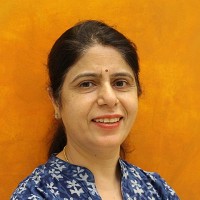
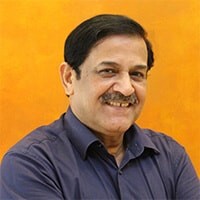
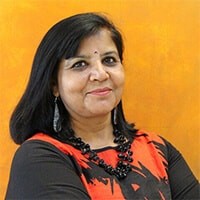


Patients and their families from more than 50 countries around the world have benefited from our half-century old tradition of excellence in healthcare. Our excellence has led to Moolchand being a preferred choice for many VIP’s including international diplomats and business leaders. Here is what some of our patients have to say about their Moolchand experience.
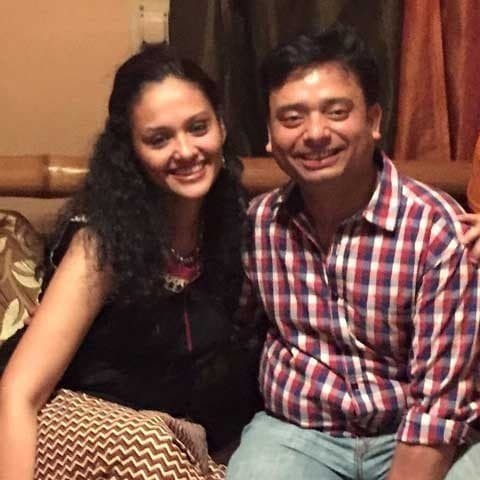
2 year back I delivered my first baby at Moolchand. It was such a comfortable, stress free and joyous experience that Moolchand was the obvious choice when I was expecting my 2nd baby. Dr. Manju Hotchandani helped me sail smoothly through my nine months. They know what every would be mom will need when. They are best at what they do. Thank you everyone for our Moolchand babies

My sister delivered a healthy baby girl last night. It was a normal delivery. It clearly is Delhi's best birthing option combining the luxury and beautiful ambience of a boutique birthing centre along with cutting edge technology, renowned gynaecologists while being affordable. Mother's Nest is just the perfect destination when it comes to women's health...all would be moms, check it out today!

For the last 25 years Moolchand has been my family's healthcare provider of choice because we can count on Moolchand to do what is right for us. During my mom's recent life threatening illness we had lost all hope. However, Dr. Anand's empathy and wisdom along with the excellent care delivered by Moolchand's world class intensive care team saved my mom's life. It’s great to have a trustworthy hospital like Moolchand in our lives.

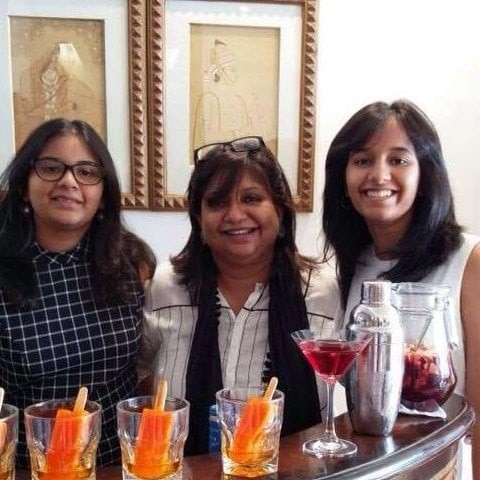
It was an amazing experience for me to be in a hospital which was efficient, attentive, friendly, approachable and quick to ease my troubles. I came back home with my child transformed to hale and hearty, laughing with me. Truly, a new year gift..."Moolchand" an able, capable and dependable friend on whom I can always count on. God bless and keep up the good work always!

We pride ourselves on having a comprehensive and customizable portfolio of corporate healthcare services. Moolchand has played an instrumental role in the development of institutional healthcare services and shares a long term relationship with the government and leading corporate customers.
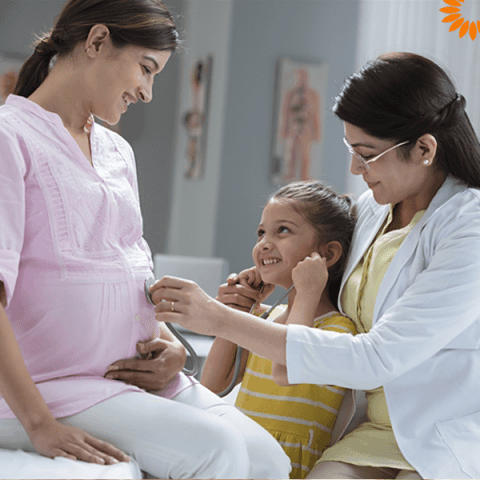
In every pregnancy, there is a 3-4% chance of having a baby with a birth defect. If you are a mother-to-be you might be brimming with questions about prenatal care, precautions to be followed during pregnancy, what i's safe during pregnancy and so on. In general, people may set wrong notions or views due to myths and misinformation about pregnancy, complications during pregnancy and delivery. This article aims to debunk those myths, misinformation and misconceptions, some of which are propagated in extremely popular and well-regarded pregnancy books.
When severe pain or joint damage limits your daily activities, and simple things seem painful, a joint replacement may be helpful. When severe pain or joint damage limits your daily activities, and simple things seem painful, a joint replacement may be helpful.
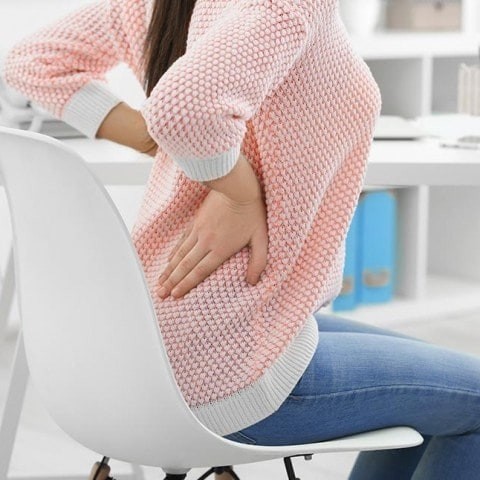
After coughs and cold, back pain is the most common ailment affecting people and a sedentary lifestyle is not the only reason. After coughs and cold, back pain is the most common ailment affecting people and a sedentary lifestyle is not the only reason.

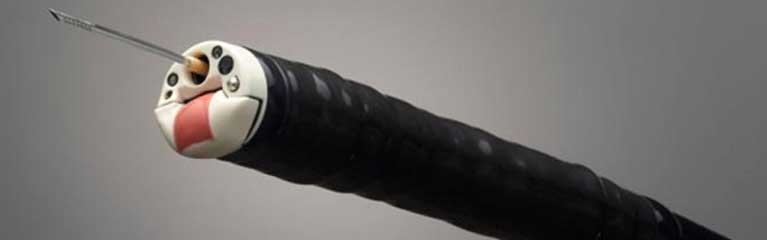
As part of our relentless focus on innovation, Moolchand is proud to be one of the few centres in India to introduce yet another leading technology: endoscopic ultrasound (EUS) for our Moolchand Gastroenterology and Hepatology Institute. Read More
Patients and their families from more than 50 countries around the world have benefited from our half-century old tradition of excellence in healthcare. Our excellence has led to Moolchand being a preferred choice for many VIP’s including international diplomats and business leaders. Here is what some of our patients have to say about their Moolchand experience.
Rashmi KAunt to a new born girl  My sister delivered a healthy baby girl last night. It was a normal delivery. It clearly is Delhi's best birthing option combining the luxury and beautiful ambience of a boutique birthing centre along with cutting edge technology, renowned gynaecologists while being aff... Read More
Vivek SSon of an 80 year old patient For the last 25 years Moolchand has been my family's healthcare provider of choice because we can count on Moolchand to do what is right for us. During my mom's recent life threatening illness we had lost all hope. However, Dr. Anand's empathy and wisdom along with th... Read More
Suneeta KMother of a teenager It was an amazing experience for me to be in a hospital which was efficient, attentive, friendly, approachable and quick to ease my troubles. I came back home with my child transformed to hale and hearty, laughing with me. Truly, a new year gift..."Moolchand" an able,... Read More
Shahana DCabin crew with a leading airline 2 year back I delivered my first baby at Moolchand. It was such a comfortable, stress free and joyous experience that Moolchand was the obvious choice when I was expecting my 2nd baby. Dr. Manju Hotchandani helped me sail smoothly through my nine months. They know wh... Read More





 We do what's right for you...


